Dang! Monday Already? Grumpy Frog Coffee: A Design Asset for Relatable Branding
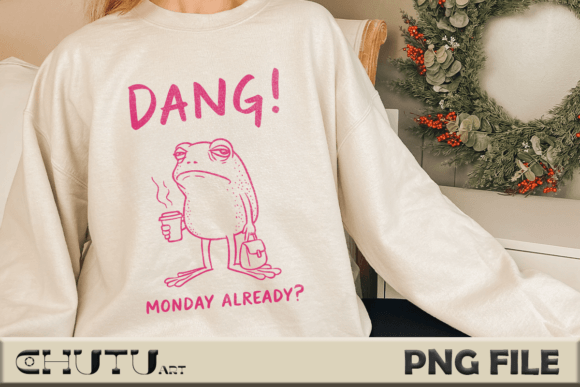
That universal groan of the Monday morning alarm finds its perfect visual counterpart in the "Dang! Monday Already? Grumpy Frog Coffee" design. More than just a funny illustration, this asset represents a powerful tool in modern graphic design: the ability to forge instant, emotional connection through relatable, character-driven visuals. For designers and marketers, leveraging such a piece can transform a mundane message into a memorable brand moment, especially when targeting audiences who appreciate humor and authenticity in their daily grind.
The Anatomy of Effective Visual Storytelling
This design excels because it combines several key elements of strong visual communication. The grumpy frog character is an anthropomorphic bridge, making a human emotion accessible through a whimsical lens. The accompanying coffee cup and briefcase are immediate, universally recognized symbols of work and routine. Together, they create a complete narrative in a single glance—a hallmark of efficient design. The typography, often bold and slightly distressed, reinforces the theme of weary determination. This synergy between imagery and text is fundamental for creating assets that communicate quickly and powerfully across various media.
Practical Applications for Creative Projects
The true value of a design like this lies in its versatility. It can serve as a cornerstone for a wide range of creative projects, injecting personality and engagement where it's needed most.
- Branding & Merchandise: Ideal for coffee shops, coworking spaces, or lifestyle brands targeting young professionals. It can become a logo element, a mascot, or the star of merchandise lines (t-shirts, mugs, tote bags) that build community and brand affinity.
- Digital Marketing & Social Media: Perfect for Monday-themed social media posts, email newsletter headers, or blog graphics. It stops the scroll with relatability, increasing engagement for posts about productivity tips, weekly specials, or motivational content.
- Editorial & Web Design: Can be used as a featured image in articles about work-life balance, productivity hacks, or coffee culture. In UI design, a similar style could inform icon sets or illustration libraries for apps focused on scheduling or wellness, adding a friendly touch to user experience.
- Packaging & Advertising: For coffee brands or snack companies, this artwork can adorn limited-edition packaging, creating a collectible appeal. In advertising, it quickly establishes a campaign's tone as approachable and humorous.
Integrating Assets with Design System Principles
When incorporating a pre-designed element like the Grumpy Frog into a larger project, thoughtful integration is crucial to maintain professionalism and cohesion.
- Evaluate Consistency: Assess the asset's style—its line work, color palette, and level of detail. Ensure it aligns with your project's existing visual language. You may need to adjust its color scheme using brand colors or isolate the character to fit a new layout.
- Consider Scalability and Context: Test the design at various sizes. Will the frog's expression read clearly on a small favicon or a large poster? Also, consider the context. A humorous frog might be perfect for a social media graphic but may need a more subdued treatment for a formal presentation slide.
- Respect Visual Hierarchy: Use the design intentionally. If it's the focal point, let it breathe with ample white space. If it's a supporting element, scale it down and pair it with clear, legible typography that carries the primary message. The goal is to guide the viewer's eye, not overwhelm it.
Ultimately, assets like "Dang! Monday Already? Grumpy Frog Coffee" demonstrate how thoughtful design choices can elevate communication. They prove that visual assets are not merely decorative but are strategic tools for storytelling, brand building, and creating genuine user engagement. By selecting and applying such elements with an understanding of composition, audience, and context, creators and businesses can significantly enhance the aesthetic appeal and communicative power of their projects, turning everyday interactions into opportunities for connection.